Study Finds High Pesticide Residue Levels in Cabbage and Okra Sold in Ghana
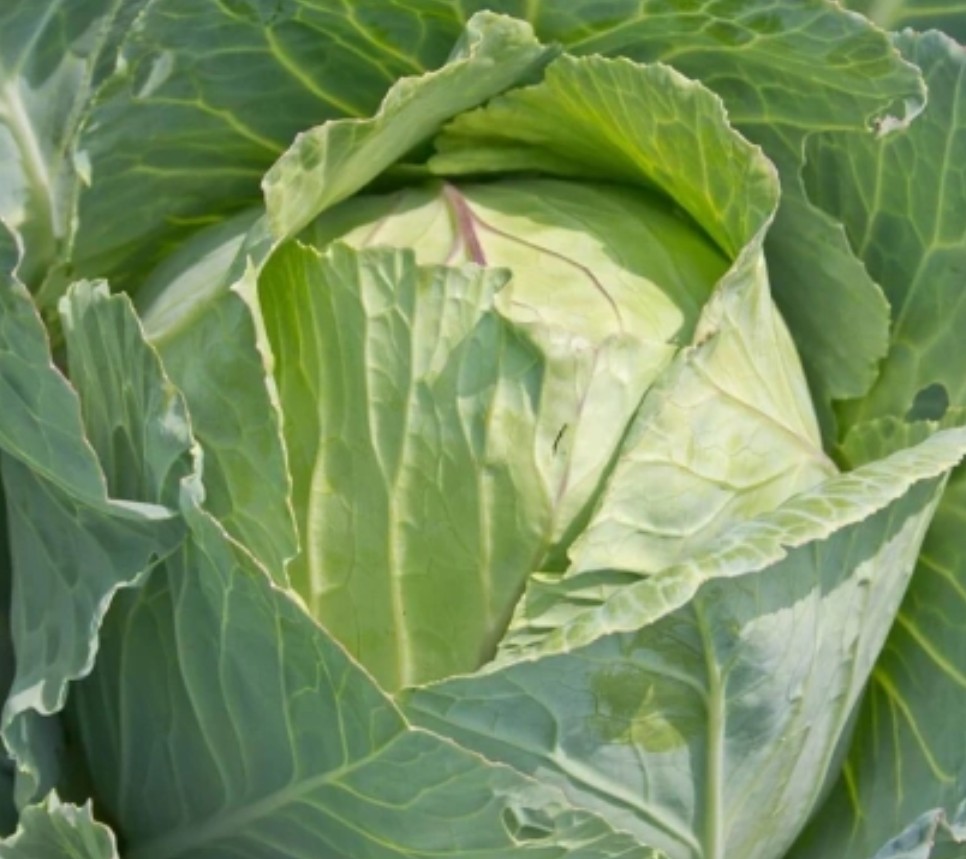
A recent study has found high levels of pesticide residues in cabbage and okra sold on the Ghanaian market, raising fresh concerns about food safety and public health.
Following the findings, the Centre for Indigenous Knowledge and Organisational Development (CIKOD) has called for urgent steps to promote agroecological farming practices across the country.
The environmental advocacy organisation said the results should serve as a warning to government, farmers and consumers about the need to reduce the use of synthetic agrochemicals and adopt safer food production methods.
The study, carried out in partnership with the Ghana Standards Authority, examined 12 samples of cabbage and okra, two vegetables commonly consumed in Ghana.
According to the results, eight out of the 12 samples, representing more than 66 percent, failed to meet the acceptable pesticide residue limits. All six cabbage samples tested were also found to be above the approved safety levels.
Explaining the choice of the two vegetables, CIKOD’s Director of Programmes, Wilberforce Laate, said cabbage and okra were selected because they are widely eaten by many Ghanaians.
He noted that okra is consumed across the country, while cabbage has become a common ingredient in salads and other meals. He said the study was intended to provide scientific evidence on concerns many consumers already had about pesticide contamination.
Mr Laate warned that regular exposure to pesticide residues could have serious long-term effects on public health if urgent action is not taken.
He urged consumers who have the opportunity to grow some of their own vegetables using buckets, containers or backyard gardens.
According to him, people do not always need large plots of land to produce food for household use. He said small-scale home gardening could help reduce dependence on vegetables that may contain harmful chemical residues.
Mr Laate also advised farmers to use biological pesticides and natural alternatives, including neem-based products, instead of relying heavily on synthetic chemicals.
He, however, acknowledged that many farmers face challenges that push them towards excessive chemical use. These include financial pressure, insecure access to land and the need to make quick returns from farming.
He also blamed the shortage of agricultural extension officers for the misuse and overuse of pesticides, saying many farmers do not receive enough guidance on safe chemical application.
Speaking on agroecology as an alternative, the Executive Director of the Peasant Farmers Association, Bismark Owusu Nortey, described it as a sustainable farming system that works with nature to improve food production.
He said agroecology reduces dependence on harmful chemicals while improving soil fertility, biodiversity and the quality of food.
Mr Nortey explained that agroecological practices include mulching, cover cropping, composting, agroforestry, crop-livestock integration and the use of indigenous farming knowledge.
He said these methods have been used by farming communities for generations and depend largely on resources that are already available locally, instead of imported chemical inputs.
He added that farmers could return crop residues to the soil as mulch instead of burning them after harvest. Livestock waste, he said, could also be used as organic manure to improve soil fertility.
Mr Nortey further stated that agroecology supports the cultivation of indigenous crop varieties that are better suited to local environmental conditions.
He rejected the claim that agroecology is only useful for smallholder farmers, explaining that modern machinery, conservation equipment and drone technology are now making it possible to apply agroecological methods on a larger commercial scale.
He disclosed that the Peasant Farmers Association is working with the Ministry of Food and Agriculture to support the development of a national agroecology policy.
The proposed policy is expected to encourage safer farming practices, improve food safety and reduce the country’s reliance on harmful agrochemicals.