Asiedu Nketia Calls for Africa to Become an Equal Player in the Global Economy
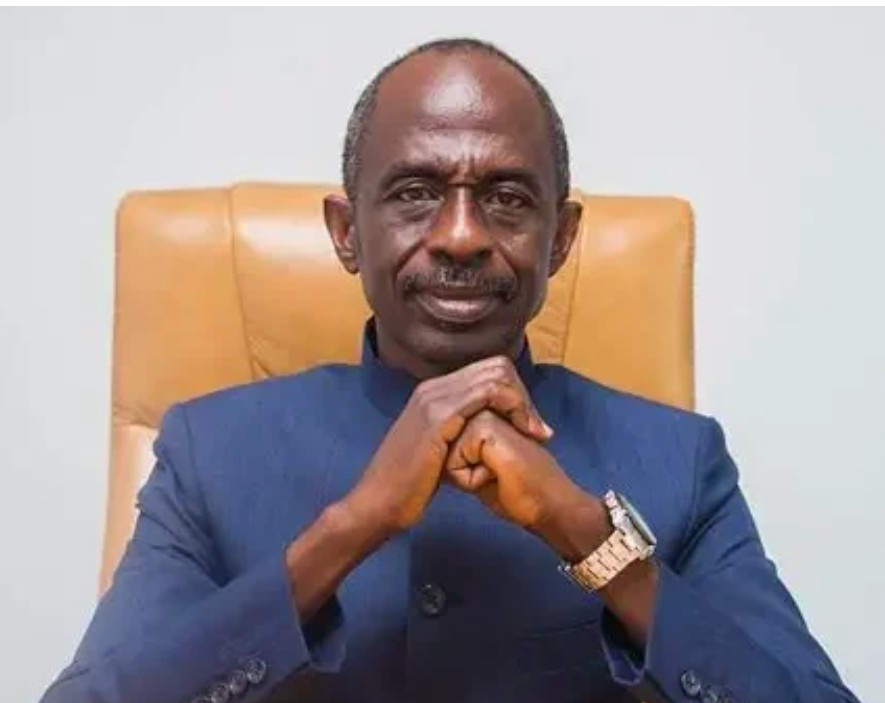
The National Chairman of the National Democratic Congress, Johnson Asiedu Nketia, has urged African countries to take a stronger position in the changing global economy instead of remaining mainly suppliers of raw materials.
He made the call during the Third Meeting of the Standing Committee of the International Movement for the Freedom of Nations in St. Petersburg, Russia, on June 25, 2026.
According to him, the growing international demand for Africa’s minerals, energy resources, digital systems and emerging markets creates both opportunities and risks for the continent.
Asiedu Nketia said global competition for resources and influence is increasing, but Africa must decide whether it will participate as a respected partner or continue to serve the interests of other nations.
He warned that the continent must avoid repeating a history where Africa provides valuable resources while other countries gain most of the benefits.
He explained that major global changes are being driven by artificial intelligence, advanced manufacturing, biotechnology, digital infrastructure and clean energy development.
Although Africa has many of the resources needed for these sectors, he said the continent’s progress will depend on the quality of its institutions, education systems, economies and long-term planning.
Asiedu Nketia stressed that Africa’s fight against neocolonialism should not be based only on speeches, but on strong governance, industrial growth, technological advancement and effective regional cooperation.
He urged African countries to focus on adding value to their natural resources, building technology capacity and strengthening institutions in order to achieve real economic independence.
He also reaffirmed Ghana’s support for international partnerships based on mutual respect, fairness and sovereignty rather than dependency.
According to him, the goal is not to divide the world into opposing groups, but to help build a global system where all countries are treated fairly, regardless of their size or history.
He said such a system would promote stability, stronger cooperation and more balanced development among nations.